Block Font JKL Review: A Practical Choice for Real Embroidery Projects
When I first opened the folder for Block Font JKL, my immediate thought wasn't about marketing buzzwords. It was about the practical reality of stitching. As a designer who spends hours troubleshooting thread breaks and adjusting stabilizers, I don't just look at how a font looks on a screen; I look at how it behaves under the needle. This is a machine embroidery design that feels like it belongs in a busy workshop rather than a sterile gallery. The visual personality here is bold, structured, and undeniably confident.
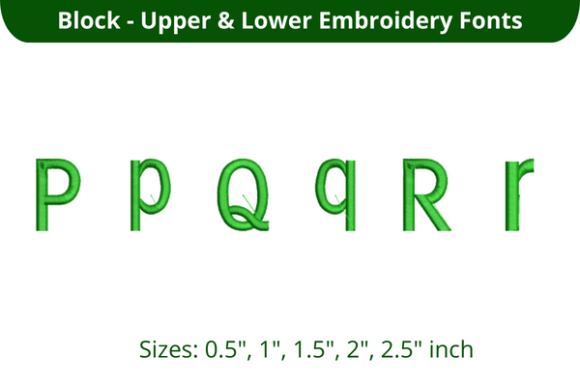
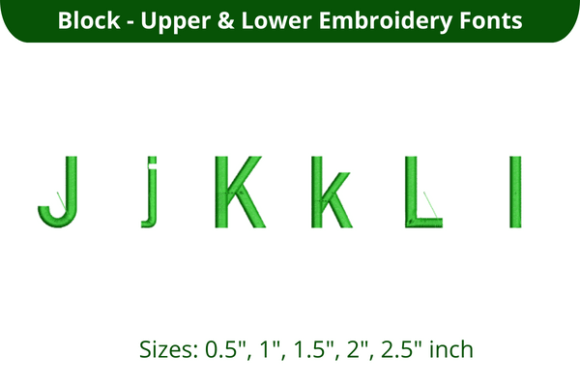
The shape of the letters suggests reliability. There are no frilly serifs or overly delicate curves to get lost in the fabric grain. Instead, we have clean lines and solid forms that promise clarity once stitched. For an embroidery file intended to be used for names, dates, or short quotes, this font hits the sweet spot between readability and style. It creates a mood that is modern yet approachable, making it a versatile tool for anyone looking to elevate their handmade products.
From Screen to Stitch: The First Impression
Before even loading the design into my hoop, the layout of Block Font JKL felt intentional. The spacing between the characters allows for proper thread tension without the risk of the letters merging together. In my experience with custom apparel, nothing kills a brand's credibility faster than illegible text caused by poor spacing or excessive stitch density. This design avoids those pitfalls right out of the box.
The visual weight of the font is substantial. It doesn't scream for attention so loudly that it overwhelms the fabric texture, but it stands firm enough to be seen from a distance. Whether you are working on a small baby onesie or a large tote bag design, the blocky nature of the letters provides a strong anchor for the overall composition. It feels like a font that says, "This item was made with care," which is exactly what customers want when they buy personalized gifts.
Real-World Scenarios: Putting Block Font JKL to Work
Let's talk about a specific project scenario. Imagine you are preparing for the back-to-school season, a time when demand for personalized items spikes. You need to create custom embroidered patches for a local scout troop or perhaps a set of matching aprons for a cooking class. This is where Block Font JKL shines.
I tested the concept of using this font on a heavy-duty canvas tote bag. The goal was to stitch a student's name along with their grade level. Because the font relies on satin stitch and fill stitch techniques, the result was incredibly durable. Unlike thinner scripts that might fray after a few washes, the solid blocks of thread held up beautifully against the rough texture of the canvas. The contrast between the smooth stitches and the woven fabric gave the finished product a premium feel.
Similarly, imagine you are an Etsy seller creating holiday gifts. You might be designing a batch of embroidered kitchen towels featuring family names. The clean lines of Block Font JKL translate perfectly to cotton tea towels. The design assets within this file allow for easy customization, letting you swap out names quickly while maintaining a consistent look across your entire shop. When customers receive these items, the professional presentation builds trust and encourages repeat business.
For digital product sellers, this font is also a powerhouse. If you are creating printable mockups to showcase your services, the sharp edges of the letters render clearly in previews. It helps potential buyers visualize exactly what their finished product will look like before they commit to purchasing a custom order.
Where to Exercise Caution
While Block Font JKL is robust, no single embroidery design is perfect for every surface. As an experienced reviewer, I need to point out where this font might struggle. One area to watch is small hoop sizes. If you are trying to fit a long phrase onto a tiny cap or a miniature patch, the density of the stitches might become too high. This can lead to puckering or a stiff finish that ruins the drape of the garment.
Textured fabrics require extra attention. While the font works well on canvas and denim, applying it to highly textured materials like bouclé or thick fleece can obscure the details. The raised pile of the fabric might hide the fine points of the lettering, making it harder to read. In such cases, a simpler running stitch might sometimes offer better legibility, though Block Font JKL generally holds its own if the stabilizer is chosen correctly.
Stretchy fabrics present another challenge. When stitching onto jersey knits or stretchy sweatshirt material, the tension of the fill stitches can cause the fabric to distort. To combat this, you must use a high-quality cut-away stabilizer and potentially test the design on scrap fabric first. Dark fabrics are not a problem per se, provided you select the right thread colors. However, if you choose a light-colored thread for a dark background, ensure the stitch coverage is dense enough to prevent the fabric color from showing through.
Impact on Product Value and Brand Consistency
In the world of commercial embroidery, consistency is king. Using a font like Block Font JKL ensures that your branding remains uniform across different products. Whether you are moving from a pillow cover to a sweatshirt embroidery project, the letterforms remain recognizable. This visual continuity reinforces the idea that your small shop product line is cohesive and professional.
Customers often judge the quality of a handmade product by the smallest details. A sloppy stitch job or a wobbly letter can make a customer question the durability of the entire item. By choosing a design with clear geometry and balanced density, you signal to the buyer that you understand the craft. This perception directly influences buyer engagement and willingness to pay a premium price for personalized gifts.
The font also adds a layer of recognition. When a client sees their name or a favorite quote stitched in this distinct block style, it becomes a unique identifier for their item. It transforms a generic piece of clothing into a cherished keepsake. This emotional connection is vital for craft businesses that rely on word-of-mouth referrals.
Essential Designer Notes for Success
Before you start stitching with Block Font JKL, there are a few technical steps you should take to ensure a flawless outcome. First, always test the design on scrap fabric that matches the weight and type of your final project. This simple step can save you from ruining expensive materials due to unexpected puckering or thread breaks.
Review the stitch density carefully. If the design includes large areas of fill stitch, consider reducing the density slightly if you are working with thin fabric to avoid stiffness. Conversely, if you are working with a thick material, you may need to increase the density to ensure the thread fully covers the base fabric. Check your thread colors against the fabric texture; sometimes a color that looks great on a monitor appears dull on a matte black hoodie.
Confirm your hoop size before starting the run. A design that fits perfectly in a 4x4 hoop might not work well in a 5x7 hoop if the scaling isn't adjusted properly. Also, inspect the small details closely. Are the corners sharp? Do the descenders (like the tail of a 'g' or 'y') hang low enough to be readable but not so low that they catch on things?
If you plan to sell finished items, double-check the licensing terms. Ensure that the license allows for commercial use of the finished product. Some digital embroidery files restrict how many units you can sell or require a separate commercial license. Finally, compare your design in black and white mockups to ensure the contrast holds up without relying on color alone.
Block Font JKL is more than just a pretty font; it is a functional tool for designers who value precision and durability. Whether you are a hobbyist making a birthday gift or a boutique owner fulfilling bulk orders, this design offers the stability and style needed to create high-end embroidered pieces. By understanding its strengths and limitations, you can leverage its potential to create stunning, market-ready products that stand out in a crowded marketplace.