Free-ish Since 1865 Juneteenth Month Embroidery Review
As an embroidery designer who spends hours every week testing new digital files, I have learned that the difference between a good product and a bestseller often comes down to two things: emotional resonance and technical reliability. When I first pulled up the Free-ish Since 1865 Juneteenth Month design in my digitizing software, I immediately recognized its potential. It is not just another holiday graphic; it is a statement piece that carries weight, history, and a modern edge. For those of us running small shops on Etsy or crafting at home for local markets, understanding how a design like this translates from screen to fabric is critical before we commit to production.
First Impressions: Mood and Emotional Appeal
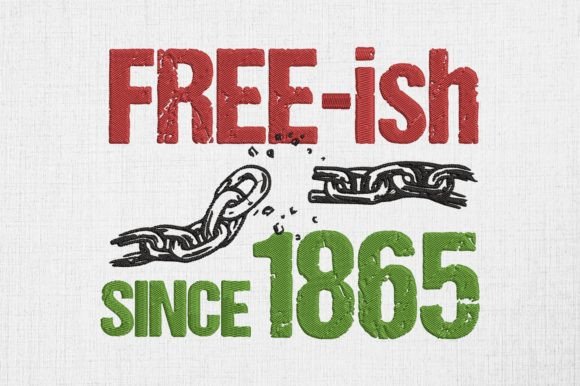
The phrase "Free-ish Since 1865" strikes a balance between playful wordplay and serious historical reflection. In my experience, designs that invite conversation are the ones that sell. This machine embroidery design feels both classic and contemporary. The typography likely commands attention, making it perfect for customers who want their clothing or home decor to spark dialogue rather than blend in. The mood is celebratory yet grounded, which appeals to a broad audience looking for meaningful personalized gift options.
For the Etsy seller or small business owner, this design offers a unique selling proposition. It moves beyond generic holiday items and taps into a specific cultural moment with dignity and style. Whether used on a t-shirt, a tote bag, or a kitchen towel, the design brings a sense of pride and awareness to the finished product. It feels handmade and thoughtful, qualities that today’s consumers are actively seeking.
Product Applications and Giftability
One of the most exciting aspects of reviewing a design is visualizing where it can live. Free-ish Since 1865 Juneteenth Month is incredibly versatile. While it naturally fits on apparel like dresses and scarves, its true value lies in its adaptability across various categories.
- Baby Embroidery and Nursery Decor: Imagine a soft cotton muslin blanket or a nursery wall hanging featuring this text. It serves as a powerful educational tool and a beautiful keepsake for families who want to instill values of freedom and history early on. However, care must be taken with baby products to ensure the design is appropriate for the age group and fabric type.
- Wedding Gifts and Keepsakes: This design could make a memorable gift for a wedding party or a newlywed couple celebrating their heritage. A custom embroidered pillow cover or a set of high-quality hand towels adds a personal touch that store-bought gifts often lack.
- Kitchen and Home Textiles: An embroidered towel or apron featuring this phrase is a fantastic addition to any kitchen. It combines functionality with expression, making it an ideal handmade product for craft fairs or online listings.
- Custom Tote Bags: For the digital product seller or physical goods creator, a canvas tote with this design is practical and portable. It serves as walking advertising for your brand while delivering a strong message.
The perceived value of these items increases significantly when the design is executed well. Customers trust custom embroidery because they see the texture and quality of the thread work. A well-stitched design signals care and attention to detail, which builds customer loyalty and encourages repeat purchases.
Strategic Use Cases for Different Sellers
If you are a wedding gift designer, consider pairing this design with neutral fabrics to let the text stand out. For baby product creators, smaller hoop sizes might be necessary to fit delicate items without overwhelming them. Craft fair sellers should display mockups that show the design on different fabrics to help buyers visualize the final result. By offering multiple variations, you cater to a wider range of tastes and needs.
Technical Considerations and Fabric Choices
While the design concept is strong, the execution determines whether a customer returns. As a professional, I always advise testing new designs thoroughly. Here are some critical factors to consider when using Free-ish Since 1865 Juneteenth Month.
First, pay close attention to thread colors. The contrast between the thread and the fabric is paramount. On dark fabrics, lighter threads may require an underlay stitch to pop, while light fabrics might need darker threads for readability. Always create a printable mockup or stitch a test sample to check how the colors interact under natural lighting.
Secondly, evaluate the stitch density. If the design contains fine details or small lettering, it may not render well on thick materials like heavy towels or textured fabrics. Conversely, on smooth cottons or linens, the design will likely shine. Be cautious when embroidering on stretchy fabrics, such as baby clothes or jersey knits, as distortion can ruin the text. Using the correct stabilizer—whether cut-away for stability or tear-away for lightweight fabrics—is essential to prevent puckering.
Another area requiring caution is curved surfaces. If you plan to put this design on a hat or a curved bag, ensure your machine can handle the curvature without distorting the text. Dark fabrics can also hide subtle shading or thin lines, so verify that all elements of the design remain visible after stitching.
Pre-Production Checklist
- Test on Scrap Fabric: Never run a full order without a test stitch. Check for thread breaks, tension issues, and color accuracy.
- Confirm Hoop Size: Ensure your machine’s hoop accommodates the design dimensions with enough margin for trimming and finishing.
- Review Stitch Density: High-density areas may feel stiff on garments, so consider if a lighter fill stitch would improve comfort.
- Check Small Details: Zoom in on your digitizing software to ensure no tiny parts are lost during the stitching process.
- Verify Commercial Licensing: Before selling finished products, confirm that you have the right to use this commercial embroidery file. Reselling digital files usually requires a separate license, but producing physical goods typically falls under a standard commercial permit. Always read the terms provided by the designer.
Photography and Marketing the Finished Product
Once the embroidery is complete, presentation is key. High-quality photos can make or break an Etsy listing. Show the texture of the stitches up close to highlight the craftsmanship. Include lifestyle shots that demonstrate the item in use, such as a tote bag filled with books or a towel hanging in a bright kitchen. These images help potential buyers connect emotionally with the product.
When writing your product descriptions, emphasize the meaning behind the design. Explain why "Free-ish Since 1865" resonates with your community. Highlight the versatility of the item and the quality of the materials used. Transparency about the production process builds trust and positions your shop as a source of authentic, meaningful goods.
Final Thoughts
Free-ish Since 1865 Juneteenth Month is more than just a design; it is a tool for connection. It allows makers to express identity, celebrate history, and create beautiful handmade products that people cherish. By paying attention to technical details, choosing the right fabrics, and marketing with authenticity, you can turn this digital file into a successful line of personalized gifts. Whether you are a seasoned pro or just starting out, this design offers a wonderful opportunity to add depth and meaning to your offerings. Remember to always prioritize quality and ethical production practices to ensure your customers feel proud to wear or display your work.