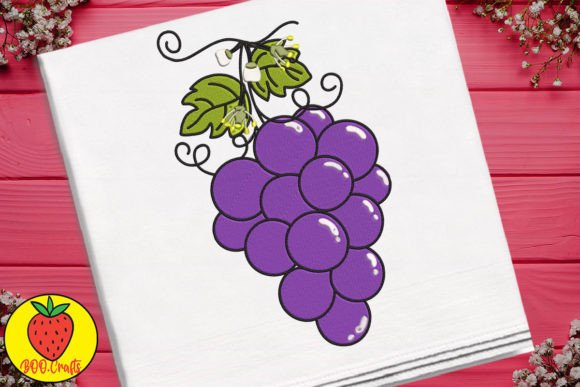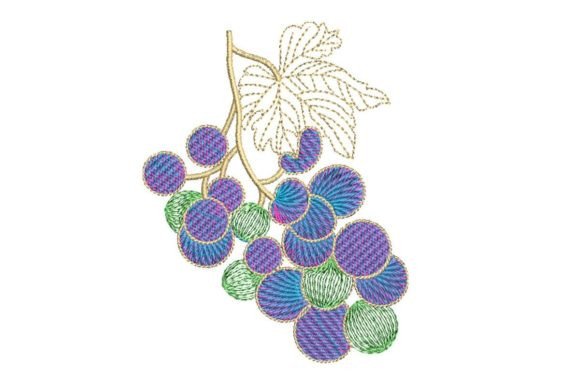
Grapes Style Motif Review
As an embroidery designer who has spent years translating visual concepts into stitch patterns for small businesses, I look at every new design asset with a critical eye. It is not enough for a design to simply look pretty on a screen; it must perform flawlessly when executed in thread. Today, I am reviewing the Grapes Style Motif, a digital embroidery file that promises decorative flair and fancy styling. For owners of boutiques, bakeries, cafes, and handmade brands, understanding the practical application of such designs is crucial for maintaining brand integrity and production efficiency.
First Impressions: Visual Personality and Brand Fit
The title Grapes Style Motif immediately suggests a connection to nature, harvest, or culinary arts. Based on the description provided, this design features decorative stitches that create a "fancy and sty" (stylish) appearance. In the world of embroidery, "fancy" can often mean intricate detailing, which requires careful evaluation. Does this motif feel rustic and approachable, or does it lean toward premium elegance?
For a small business owner, the aesthetic of your merchandise speaks volumes about your product quality. A grape motif naturally aligns well with specific industries. If you run a wine bar, a boutique bakery specializing in fruit tarts, or a florist with a garden-to-table philosophy, this design offers immediate visual context. However, if your brand identity is strictly minimalist or industrial, this decorative element might clash with your existing brand identity. The key here is versatility. While the description mentions cushions and shirts, the true test lies in how this machine embroidery design translates to hard goods like caps and tote bags.
Real-World Business Applications
Let us move beyond theory and discuss where Grapes Style Motif can generate actual revenue and brand recognition. Small business merch is no longer just about slapping a logo on a shirt; it is about creating collectible items that customers want to wear or use daily.
- Embroidered Patches: One of the most popular uses for motifs like this is creating detachable patches. These can be sold as standalone items or attached to denim jackets, backpacks, or hats by the end-user. This increases the perceived value of your handmade product.
- Staff Uniforms and Aprons: For a café or restaurant, uniformity builds trust. An embroidered patch featuring grapes can serve as a subtle accent on chest pockets or apron straps. It signals attention to detail without overwhelming the staff member’s silhouette.
- Tote Bag Design: Canvas totes are essential marketing tools. Placing this motif centrally or as a repeating pattern along the side seam can turn a simple bag into a walking advertisement. The decorative stitches mentioned in the description will catch the light, adding texture that photographs beautifully for social media.
- Cap Embroidery: Curved surfaces present unique challenges. If this motif is used on the front panel of a cap, it must be balanced correctly. A grape cluster works well as a central focal point, but ensure the density allows for proper curvature without puckering.
- Product Packaging Accents: Beyond apparel, consider using this embroidery file on fabric tags attached to retail packaging. A small, high-quality embroidered label elevates the unboxing experience significantly.
Strategic Placement for Maximum Impact
When integrating Grapes Style Motif into your inventory, think about the customer journey. Where do they see it first? On a sleeve cuff? As a back-yoke detail on a work shirt? Or perhaps as a branded add-on for a custom order? The placement should reinforce your custom apparel offerings. For instance, a boutique selling organic skincare might use this motif on linen tote bags to suggest natural ingredients, while a craft business might use it on gift boxes to denote a special edition release.
Critical Considerations and Limitations
No design is perfect for every application. As a professional reviewer, I must highlight where Grapes Style Motif requires caution. Decorative stitches often imply higher complexity, which brings specific risks.
- Small Patch Sizes: If you intend to scale this design down to 2 inches or less for a collar logo, you risk losing detail. Intricate decorative elements may merge into a blurry blob when stitched at tiny sizes. Always verify the minimum viable size before committing to production.
- High Stitch Density: Fancy styles often rely on dense satin stitches or heavy fill areas. On thin fabrics like lightweight polyester or fine cotton blends, this can cause "show-through," where the backing or excessive thread bulk is visible from the front. Conversely, on thick fabrics like fleece, it might not penetrate properly.
- Fabric Texture and Color: Dark uniforms require high-contrast thread colors. If the motif relies on subtle shading or low-contrast outlines, it will disappear against dark backgrounds. Similarly, textured fabrics like raw denim or bouclé can distort the clean lines of the design.
- Washability: Items that undergo frequent washing, such as aprons and work shirts, need durable stitching. Ensure the design structure is stable and will not unravel or pill after multiple commercial laundry cycles.
Impact on Brand Identity and Customer Trust
Quality control in embroidery directly influences customer perception. A poorly executed design can signal carelessness, whereas a crisp, well-stitched finished product communicates professionalism. When customers purchase a tote bag or a cap featuring Grapes Style Motif, they are buying into the story your brand tells.
If the design looks premium, it enhances buyer engagement and encourages social sharing. People love photographing aesthetically pleasing details. Furthermore, consistency is key. If this motif becomes part of your core design assets, it helps build visual recognition. Customers begin to associate that specific style of decoration with your name, fostering loyalty. However, if the design feels too ornate for your overall brand voice, it may confuse your audience. Ensure it aligns with your broader marketing strategy.
Practical Designer Notes for Production
Before you upload this digital embroidery file to your production queue, follow these essential steps to avoid costly mistakes.
- Test in Black and White: Convert the design to monochrome to check its structural balance. If it lacks impact without color, the shape itself may need refinement.
- Check Hoop Size Compatibility: Confirm the required hoop size matches your equipment. A large design may limit where you can place it on certain garments.
- Thread Color Contrast: Select threads that pop against your target fabric. Don’t assume default colors will work.
- Inspect Spacing and Density: Look closely at the digitizing. Are there any unnecessary jumps? Is the spacing logical for efficient stitching?
- Use Proper Stabilizer: The choice of stabilizer (cut-away vs. tear-away) is vital for maintaining the integrity of decorative stitches.
- Create a Printable Mockup: Before sewing, generate a printable mockup to show clients or for internal review. This helps visualize the final result on different products.
- Confirm Commercial Licensing: Most importantly, verify that you have the right to use this design for resale. Many designers restrict commercial use unless explicitly stated.
In conclusion, Grapes Style Motif holds significant potential for small businesses looking to add a touch of elegance and thematic relevance to their merchandise. By carefully considering its application, testing rigorously, and aligning it with your brand values, you can transform this digital asset into a profitable and visually striking physical product. Remember, the success of your embroidery project lies not just in the design itself, but in the precision of its execution.