Moon Cloud and Star Embroidery Review
When I sit down to evaluate a new digital embroidery file, I am rarely looking for just "pretty." I am looking for viability. As a designer who frequently bridges the gap between digital assets and tangible handmade products, my primary concern is always: will this design hold up in the real world? Will it translate well from screen to fabric? And most importantly, does it add enough perceived value to justify the time and labor involved in stitching it out?
This is where the Moon Cloud and Star design catches my attention. It is not merely a decorative element; it is a mood setter. The title alone suggests a celestial theme that has seen a resurgence in popularity, particularly among makers targeting nursery decor, bohemian apparel, and whimsical home goods. However, titles can be misleading. The true test lies in the execution of the stitch patterns, the balance of negative space, and the overall visual weight of the composition.
First Impressions and Visual Personality
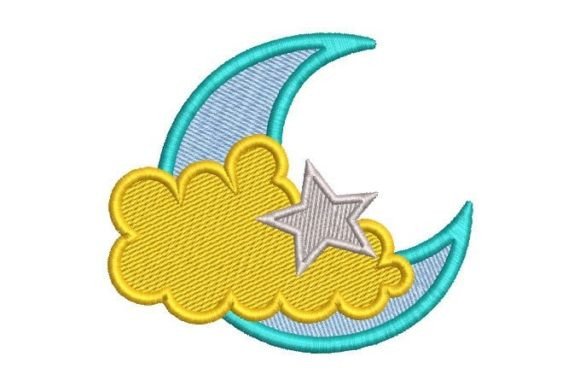
The first thing you notice about Moon Cloud and Star is its atmospheric quality. Unlike rigid geometric designs or overly complex floral arrangements that can feel cluttered even at small scales, this design breathes. It relies heavily on the interplay between solid shapes and open spaces. In embroidery terms, this means we are likely looking at a combination of satin stitch elements for definition—perhaps the outline of the moon or the star—and expansive fill stitch areas for the clouds.
From a design perspective, the layout feels balanced but dynamic. It does not scream for attention with neon threads or aggressive contrasts; instead, it whispers. This subtlety is crucial for custom apparel and personalized gifts. A design that is too loud can overwhelm a garment or a product, whereas one that is too faint can get lost in the texture of the fabric. Moon Cloud and Star strikes a middle ground that feels professional and timeless. It evokes a sense of calm, making it an excellent candidate for bedding accents, nursery wall hangings, or soft baby items where a gentle aesthetic is preferred over bold statements.
Real-World Application: From Screen to Stitch
To truly understand the utility of this design, we must imagine it in production. Let us consider a specific scenario: creating a line of boutique tote bags for a local craft fair. Tote bags are a staple for any Etsy seller or small business owner, but they present unique challenges. The canvas fabric can be thick, and the surface area is often large, requiring a design that scales well without losing detail.
If I were to place Moon Cloud and Star on a natural canvas tote, the contrast between the dark thread colors (assuming a midnight blue or black thread choice) and the light fabric would create a striking focal point. The cloud elements could serve as a background texture, while the moon and stars pop forward. This layering effect adds depth, making the finished product look more expensive and thoughtfully designed than a simple single-color print.
Similarly, this design translates beautifully to sweatshirt embroidery. Hoodies and crewnecks are perennial bestsellers, especially during the fall and winter months. The celestial theme aligns perfectly with cozy, autumnal vibes. When stitched onto a heavyweight cotton blend, the density of the fill stitches provides a tactile richness that customers appreciate. They can feel the quality of the work, which builds trust and encourages repeat purchases.
However, the versatility extends beyond apparel. Consider embroidered patches intended for denim jackets or backpacks. The self-contained nature of the moon, cloud, and star motif makes it easy to digitize into a patch format with a clean border. For holiday embroidery, specifically around Christmas or New Year’s Eve, these motifs resonate strongly. A set of embroidered kitchen towels featuring this design could make for a charming, high-end gift set that stands out against typical seasonal imagery like turkeys or pumpkins.
Where Caution Is Required
No design is universally perfect, and Moon Cloud and Star is no exception. There are specific contexts where this design might struggle if not handled with care. One of the primary concerns is stitch density. If the cloud sections rely too heavily on dense fill stitches, they may pucker on thinner fabrics. This is a critical consideration when working with delicate materials like silk or thin cotton blends used in baby embroidery projects. Puckering not only looks unprofessional but can also make the item uncomfortable to wear or use.
Furthermore, the effectiveness of this design is highly dependent on thread color contrast. On dark fabric, you will need lighter threads to ensure visibility, which might alter the intended moody atmosphere. Conversely, on light fabric, dark threads are essential to prevent the design from washing out. Designers must carefully select their thread colors to match the substrate. Testing on scrap fabric is non-negotiable here. You need to see how the satin edges hold up and whether the fill stitches lay flat.
Another area of caution is small hoop sizes. While the design may look elegant at 5x7 inches, shrinking it down to fit a 4x4 inch hoop could result in the loss of fine details. Tiny stars or intricate cloud wisps might merge into indistinguishable blobs if the resolution is too low. Always inspect the digitizing closely. If the design includes tiny text or very fine lines, verify that these elements remain legible after stitching. For embroidered patches or caps, where the surface area is limited, you may need to request a resized version or adjust the design parameters before committing to production.
Practical Designer Notes for Success
Before integrating Moon Cloud and Star into your commercial workflow, there are several technical checks every professional should perform. First, always review the stitch density. High-density areas require appropriate stabilizer support to prevent distortion. For stretchy fabrics like jersey knits used in t-shirts, a cut-away stabilizer is usually necessary to maintain the integrity of the design over time.
I also recommend testing the design in black and white mockups. This helps assess the value contrast without the distraction of color. If the design lacks clarity in grayscale, it may struggle in full color depending on your thread choices. Additionally, compare the design on both light and dark fabric backgrounds digitally before ordering physical samples. This saves time and material costs.
For those selling digital files or using this design for commercial embroidery, licensing is paramount. Ensure you have the rights to sell finished products made from this design. Some creators restrict commercial use unless a specific license is purchased. Clarifying this upfront protects your craft business from legal issues.
Finally, think about the customer experience. How will the finished product feel? Are the edges smooth? Is the back of the embroidery clean? These details contribute to the overall professionalism of your brand. A well-executed embroidery project reflects positively on your skills and attention to detail, encouraging positive reviews and word-of-mouth referrals.
Final Verdict
Moon Cloud and Star is a versatile, aesthetically pleasing design that offers significant potential for various applications. Its calming vibe and balanced composition make it suitable for everything from tote bag design to nursery decor. While it requires careful attention to fabric choice, thread contrast, and hoop size limitations, the results can be stunning. For designers looking to expand their catalog with items that evoke emotion and quality, this design is a strong contender. Just remember to test thoroughly, respect the limits of the digitizing, and prioritize finish quality. When done correctly, Moon Cloud and Star can elevate your handmade product line and delight your customers with its celestial charm.