Skimming Flowers Border Review for Craft Fairs
As an experienced embroidery designer who spends weekends setting up booths at local craft fairs and managing a busy handmade shop, I know that the difference between a design that gathers dust and one that sells out often comes down to practical application. When I first laid eyes on the Skimming Flowers Border, my immediate thought was not just about the stitch count or file format, but how this piece would perform under the bright lights of a vendor table. This machine embroidery design has a distinct charm that feels perfect for the current market demand for soft, farmhouse, and elegant accents. It is exactly the kind of embroidery file that can elevate a simple tote bag into a premium gift item.
The First Impression: A Delicate Accent
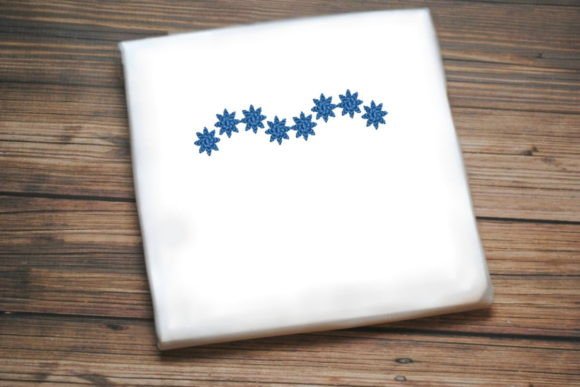
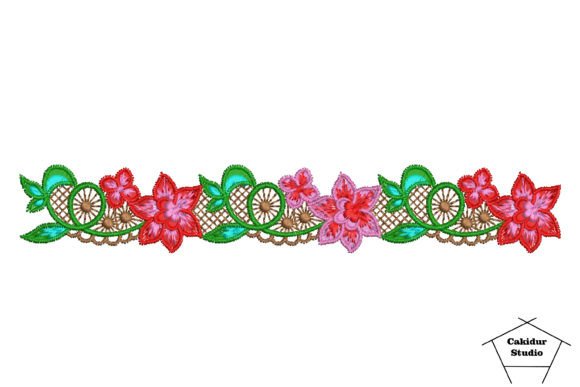
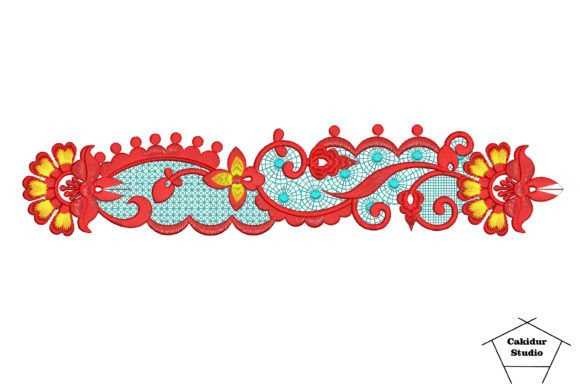
The title alone suggests movement and lightness. The Skimming Flowers Border does not scream for attention with heavy, dense fills; instead, it whispers elegance. For a craft fair seller, this is crucial. Customers are drawn to items that look finished and high-quality without appearing cluttered. This design fits perfectly into the "cute" and "decorative" categories, making it ideal for tea towels, apron embroidery, and small pouches. It strikes a balance between modern minimalism and rustic charm, which appeals to a broad demographic of buyers looking for handmade gifts.
When visualizing this as a craft fair product, I imagine it running along the hem of a linen tea towel or framing the pocket of a canvas apron. It provides an extraordinary look by adding a touch of sophistication to everyday fabrics. Whether you are an Etsy seller looking to refresh your listings or a boutique maker creating unique stock, this border adds a layer of perceived value that makes customers feel they are buying something special.
Product Potential: Where Skimming Flowers Border Shines
In a real-world scenario preparing for a weekend market, I evaluate every design asset based on its versatility. The Skimming Flowers Border is incredibly adaptable. Here is how it performs across various handmade products:
- Tote Bag Design: Placing this border along the bottom edge of a canvas tote creates a clean, professional finish. It photographs beautifully for online listings, drawing the eye to the craftsmanship of the stitching.
- Apron Embroidery: For kitchen-themed vendors, this floral accent on the bib or waistband of an apron is a top-seller. It transforms a utilitarian item into a decorative piece suitable for gifting.
- Tea Towel Embroidery: This is perhaps the strongest category. A single row of skimming flowers along the hem of a flour sack towel looks effortless yet expensive. It is a classic commercial embroidery staple that never goes out of style.
- Embroidered Patch: With proper backing, this design could be cut out and ironed onto denim jackets or hats, though care must be taken with the density.
- Pillow Covers and Market Bags: The linear nature of the border works well as a focal point on square pillows or as a repeated motif on reusable shopping bags.
For digital sellers creating printable mockups, this design offers excellent contrast potential. You can easily visualize it on white, cream, sage green, or navy backgrounds to see how the thread colors interact with different fabric textures.
Production Reality: Batch Making and Visual Appeal
One of the most critical factors for a small shop owner is efficiency. Can this design be produced in batches without losing quality? The Skimming Flowers Border appears to have a moderate stitch density, which suggests it should run relatively quickly on the hoop. However, because it is a border design, it requires careful planning regarding the hoop size. If the border is longer than your standard hoop, you will need to plan for jump stitches or multiple hooping sessions, which can impact your hourly rate.
From a visual appeal standpoint, this design excels at creating brand consistency. If you use this border across all your kitchen textiles, your booth display will look cohesive and professional. Buyers engage more with displays that look curated rather than random. The delicate nature of the flowers invites close inspection, encouraging customers to touch the fabric and appreciate the texture of the finished product.
Careful Use Notes: Avoiding Pitfalls
While the aesthetic is strong, a seasoned designer knows to watch out for technical limitations. Before committing to mass production, consider the following constraints:
- Dense Stitch Areas: Check if any part of the flower centers is too dense. High density can cause puckering on lightweight fabrics like sheer cotton or thin linens.
- Small Details: If you plan to shrink this design for a small pouch or a cap, verify that the tiny petals do not lose clarity. Tiny details often get lost when embroidered on curved surfaces like caps.
- Fabric Texture: While it looks great on smooth cotton, textured towels or thick fleece might hide the definition of the flowers. Always test on the actual material you intend to sell.
- Dark Fabric: Ensure you have enough thread coverage. On dark fabrics, you may need a heavier underlay or specific thread choices to make the flowers pop against the background.
- Curved Surfaces: Embroidering a straight border onto a curved cap brim requires specialized techniques. If the design is too rigid, it may distort on a curve.
Designer's Checklist for Success
To ensure your small shop product line succeeds, follow these practical steps before hitting the craft fair circuit:
- Test on Scrap: Never embroider your first sale item without a test run. Use scrap fabric to check tension and stability.
- Check Thread Contrast: Compare your chosen thread colors against your fabric swatches. Good contrast is key for visibility in a crowded market.
- Review Spacing: Measure the length of the border carefully. Does it fit your intended garment dimensions without cutting off the last flower?
- Confirm Hoop Size: Verify the maximum dimensions of the design to ensure it fits within your machine's capabilities or requires multi-panning.
- Inspect Stitch Density: Look closely at the digitized file. Are there areas where the needle might skip or the fabric might bunch?
- Use the Right Stabilizer: Depending on whether you are working with a stretchy knit or a stable woven, choose the appropriate stabilizer to prevent distortion.
- Create Real Mockups: Do not rely solely on digital renders. Create at least one physical sample to photograph for your Etsy seller listings.
- Verify Licensing: Confirm commercial licensing terms before selling finished products. Some designs allow personal use only, while others permit commercial sales.
The Skimming Flowers Border is a versatile addition to any digital embroidery file collection. Its ability to add an adorable accent to any fabric makes it a powerful tool for creative entrepreneurs. By paying attention to the nuances of production and understanding where this design shines, you can create items that stand out on the shelf and bring joy to your customers. Whether you are selling online or at a local market, this design has the potential to become a signature element of your brand identity.