Trio Paisley: A Designer's Review for Craft Fair Success
Stepping into the world of handmade markets requires more than just a sewing machine; it demands a keen eye for what sells, what photographs well, and what creates that immediate "I need this" feeling in a customer. As an experienced embroidery designer preparing my booth for a weekend craft fair, I recently evaluated the Trio Paisley design to determine its potential as a bestseller. After reviewing the file and running initial tests, I can confidently say this piece has serious market appeal. It is not merely a decorative element; it is a versatile asset for any Etsy seller or boutique maker looking to elevate their inventory.
First Impressions: Elegance Meets Market Appeal
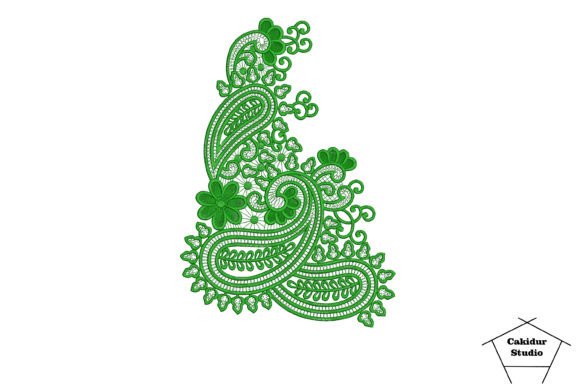
When you first look at the description and the visual concept of Trio Paisley, the word that comes to mind is elegance. The title suggests a collection of three distinct elements, likely arranged to create a balanced, flowing composition. For a crafter standing behind a table full of goods, the first impression must be one of quality and sophistication. This design does not feel cheap or overly trendy; instead, it possesses a timeless charm that fits perfectly with the farmhouse, rustic, or modern aesthetic that dominates today's handmade market.
The beauty of this machine embroidery design lies in its adaptability. It is neither too bold nor too subtle, striking a perfect middle ground that allows it to serve as either a statement focal point on a large item or a refined accent on a smaller product. Whether you are targeting customers who love tea towel embroidery or those seeking unique tote bag designs, Trio Paisley offers a level of polish that instantly elevates the perceived value of your finished product.
Product Versatility: Where Trio Paisley Shines
In a busy craft fair environment, versatility is king. You want a single design file that can transform multiple items into high-margin sellers. Here is how Trio Paisley performs across various categories essential for a successful booth display:
- Tote Bags and Market Bags: These are staples for any handmade product line. Placing Trio Paisley on the front pocket or centered on a canvas tote creates an instant upgrade from a plain accessory. The paisley motif flows beautifully with the natural drape of fabric, making it a top choice for embroidered patch style applications or direct stitching.
- Aprons and Kitchen Towels: The kitchen is a hub of activity, and customers love personalized touches here. On an apron, this design adds a touch of class without overwhelming the utility of the garment. Similarly, on a tea towel embroidery project, the intricate details of the paisley pattern catch the light, drawing attention from across the aisle.
- Pillow Covers and Home Decor: For the home decor enthusiast, Trio Paisley serves as a creative accent. It works exceptionally well on throw pillows, where the texture of the fabric complements the stitch density. It transforms a basic linen cover into a premium commercial embroidery item.
- Caps and Small Pouches: While caps present a challenge due to curvature, a well-executed Trio Paisley on a flat brim or cap front can look stunning. For small pouches or coin purses, the design provides a luxurious finish that justifies a higher price point.
- Printable Mockups and Digital Assets: Before cutting fabric, savvy entrepreneurs use printable mockup templates to visualize sales. Trio Paisley translates well into digital representations, allowing you to create compelling Etsy listings that show exactly how the design looks on various products.
Visual Impact and Customer Engagement
The primary goal of a craft fair display is to stop the scroll—both literally and figuratively. Trio Paisley excels here because it offers visual interest without clutter. Customers often gravitate toward items that look expensive but are accessible. When a buyer sees this design stitched onto a simple cotton tote, they immediately recognize the effort and skill involved. This perception of handmade quality drives engagement and increases the likelihood of a sale.
Furthermore, the design's flow makes it excellent for branding. If you are building a consistent brand identity for your small shop product line, using Trio Paisley across different SKUs creates a cohesive look. It signals to the customer that your brand values detail and aesthetics, fostering trust and loyalty.
Practical Production and Selling Considerations
As a designer, I always advise checking the practicalities before committing to a production run. Trio Paisley is generally user-friendly, but there are specific factors to consider to ensure every stitch lands perfectly.
Stitch Density and Detail: Paisley patterns can sometimes contain tiny details. It is crucial to inspect the stitch density of the file. If the design includes very fine lines or small lettering, it may lose clarity when stitched on textured fabrics like thick terry cloth or heavy denim. Always test the design on scrap fabric that matches your intended final material to ensure the threads do not bunch up or break.
Fabric Texture and Color: The contrast between the thread colors and the fabric is paramount. On dark fabrics, lighter threads pop, but on light fabrics, darker threads provide definition. Be mindful of fabric texture; highly textured towels might hide the finer points of the design. For the best results, stick to smooth cottons, linens, or stable blends where the design can breathe.
Hoop Size and Stability: Ensure your hoop size accommodates the entire layout of the trio without requiring excessive re-hooping, which can lead to misalignment. Using the right stabilizer is non-negotiable. For items like aprons or bags, a cut-away stabilizer often provides the necessary support to keep the design crisp and prevent puckering over time.
Photography and Online Sales
In the age of online selling, your photos are your storefront. Trio Paisley photographs beautifully because of its symmetrical balance and elegant curves. When creating digital embroidery file assets or listing your finished product on platforms like Etsy, close-up shots will highlight the precision of the stitches. However, remember that a photo cannot capture the tactile feel of the embroidery. That is why having physical samples at your craft fair booth is so vital; let customers touch the design assets in person.
Final Designer Notes for the Smart Entrepreneur
If you are planning to turn Trio Paisley into a revenue stream, follow these steps to ensure success:
- Test First: Never go straight to production. Stitch the design on your actual fabric to check for issues.
- Check Licensing: Confirm your commercial licensing terms before selling finished goods. Ensure you have the right to use the embroidery file for profit.
- Review Spacing: Pay attention to the spacing of the trio elements. They should flow naturally and not look cramped.
- Create Real Mockups: Produce at least one real sample to photograph and display. A real-life example builds more confidence than a digital rendering.
- Compare Colors: Experiment with different thread colors to see which combinations resonate most with your target audience.
Trio Paisley is more than just a pattern; it is a tool for growth. Whether you are a seasoned embroidery business owner or a new creative entrepreneur, this design offers the flexibility to create high-value items that stand out in a crowded marketplace. By understanding its strengths and respecting its technical requirements, you can turn this elegant motif into a cornerstone of your craft fair success.