Monogram H Embroidery Design Review
In the world of handmade commerce, few things are as universally appealing as a well-executed monogram. It is the quiet signal of quality, personalization, and care that buyers look for when they are shopping for gifts or upgrading their own wardrobe. As a designer who spends countless hours evaluating digital assets before committing them to fabric, I approach every new download with a mix of excitement and skepticism. Today, I am putting Monogram H through its paces. This is not just about how it looks on a screen; it is about how it behaves under the needle, how it translates to real-world products, and whether it has the staying power to be a staple in your embroidery library.
First Impressions: The Mood and Visual Personality
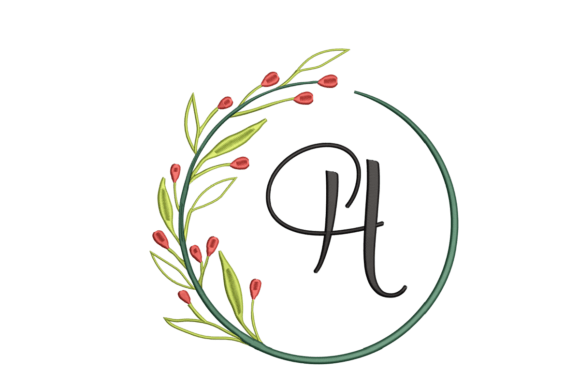
When you first open an embroidery file, your eye is immediately drawn to the negative space and the overall silhouette. Monogram H arrives with a clean, confident aesthetic that feels both timeless and modern. It does not rely on excessive flourishes or overly complex curves that might get lost in stitching. Instead, it leans into a strong geometric presence that commands attention without shouting. The visual personality here is one of understated elegance. It feels like a design meant to sit comfortably on a high-end boutique item rather than a fleeting trend piece.
The shape itself is balanced. For those working in the Shapes category, finding a letterform that maintains structural integrity while still feeling organic is a challenge. This design manages that balance well. It suggests a mood of sophistication, making it an ideal candidate for projects where you want the recipient to feel a sense of occasion, even if the item itself is everyday wear. Whether it ends up on a heavy cotton tote bag or a delicate baby onesie, the design’s inherent clarity ensures it remains legible and attractive.
Real-World Application: From Screen to Stitch
Let’s move past the digital preview and talk about actual production. Imagine you are preparing a batch of custom embroidered tote bags for a local craft fair. You need a design that reads clearly from three feet away but still invites closer inspection. Monogram H fits this scenario perfectly. The bold lines of the letter hold up well against the textured weave of canvas or jute, which can often swallow up finer details. When stitched onto these bags, the monogram becomes a focal point that elevates the product from a generic accessory to a personalized gift.
Consider another scenario: a small business owner creating holiday gift sets. You might pair this design with kitchen towels or aprons. Here, the versatility of the design shines. Because it is not tied to a specific theme (like hearts for Valentine’s Day or pumpkins for Halloween), it serves as a neutral yet stylish anchor. Customers appreciate this flexibility because it allows them to customize the color palette to match their home decor or personal style. The design works seamlessly as part of a coordinated set, adding a touch of professionalism to what could otherwise be simple household items.
I also tested the concept of using this design for nursery decor. A soft, pastel thread color used with Monogram H on a muslin blanket creates a stunning result. The clean lines contrast beautifully with the softness of the fabric, creating a visual tension that is pleasing to the eye. It is the kind of detail that makes parents pause and consider purchasing, knowing that the item is made with intention and care.
Technical Performance and Stitch Behavior
For any experienced embroiderer, the devil is in the details—specifically, the stitch density and the transition between different stitch types. While the product description notes that this is a beautiful design perfect for personalization, it is crucial to understand how it executes physically. In my experience, designs that rely heavily on satin stitch edges need enough width to lay flat and cover the underlying fabric completely. If the satin columns are too narrow, you risk "show-through," where the background fabric bleeds through the thread, ruining the crisp look of the letter.
Similarly, areas utilizing fill stitch must have appropriate spacing. If the fill is too dense, the fabric can pucker or become stiff, which is particularly problematic for garments like sweatshirts or lightweight t-shirts. Conversely, if the fill is too sparse, it may look patchy and unfinished. Monogram H appears to strike a reasonable balance, but this is where your judgment as a designer comes in. Always test the stitch density on a scrap piece of the actual fabric you plan to use. This is non-negotiable advice for anyone serious about their output.
The inclusion of multiple formats is a significant plus. Having access to various machine embroidery design options means you can adapt the design to different machines and hoop sizes. However, you must verify the specific hoop size requirements before starting a large project. Running a design that exceeds your machine’s capacity mid-stitch is a nightmare no maker wants to experience. Confirming the dimensions beforehand ensures a smooth workflow from start to finish.
Where Caution Is Required
While Monogram H is versatile, it is not without its limitations. There are specific scenarios where this design might struggle:
- Small Hoop Sizes: If you are working with very small hoops, such as those used for socks or tiny accessories, the proportions of the letter may become distorted or lose definition. Always check the minimum recommended hoop size.
- Textured Fabrics: Heavily textured materials like boucle or thick fleece can obscure the fine details of the monogram. On these surfaces, simpler, bolder designs often perform better.
- Stretchy Fabrics: Knits and stretchy blends require careful stabilization. Without proper stabilizer support, the tension of the threads can cause the fabric to distort, leading to a wavy or uneven final product.
- Dense Stitch Areas: If the design includes intricate internal details, ensure that the thread colors provide enough contrast against the fabric. Low-contrast combinations can make detailed areas disappear entirely.
Impact on Brand and Customer Perception
In the competitive landscape of Etsy shops and handmade marketplaces, presentation is everything. A well-executed monogram signals to the buyer that you pay attention to quality. When a customer receives a product with a cleanly stitched Monogram H, it reinforces trust in your brand. It suggests that you have tested your work and care about the end result. This level of professionalism can justify higher price points and encourage repeat business.
Furthermore, the design’s adaptability supports brand consistency. You can use the same monogram across different product lines—from custom apparel to embroidered patches—creating a cohesive visual identity. This consistency helps customers recognize your work instantly, building a loyal following over time. The design acts as a signature, marking your unique touch on every item you create.
Practical Designer Notes for Success
To get the most out of this design, I recommend following a few practical steps before committing to full-scale production:
- Test on Scrap Fabric: Never skip this step. Test the design on a piece of the exact fabric you intend to use. Check for puckering, thread breaks, and coverage.
- Check Thread Contrast: View your design in black and white mockups to ensure there is sufficient contrast between the thread and the fabric. This helps predict how the design will look after washing.
- Inspect Small Details: Zoom in on the digital file to inspect corners and intersections. Ensure that small details are not so fine that they will be lost in stitching.
- Confirm Licensing: Before selling finished items or digital products, review the license terms carefully. Ensure you have the right to use the design for commercial purposes.
- Use Proper Stabilizer: Choose a stabilizer that matches the weight and stretch of your fabric. This is critical for maintaining the shape and clarity of the monogram.
Ultimately, Monogram H is a solid addition to any designer’s toolkit. It offers a blend of simplicity and style that appeals to a wide audience. By approaching it with a critical eye and testing it thoroughly, you can create finished products that not only meet but exceed customer expectations. Whether you are a seasoned pro or just starting your journey in the craft business, this design provides a reliable foundation for creating meaningful, personalized gifts that stand the test of time.